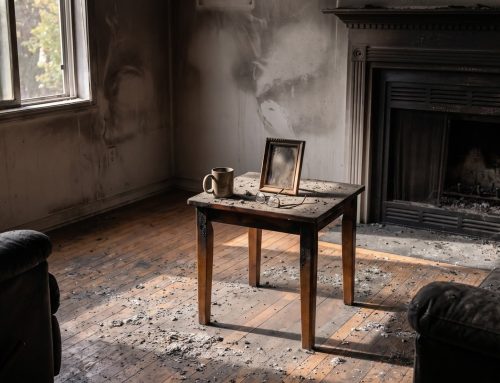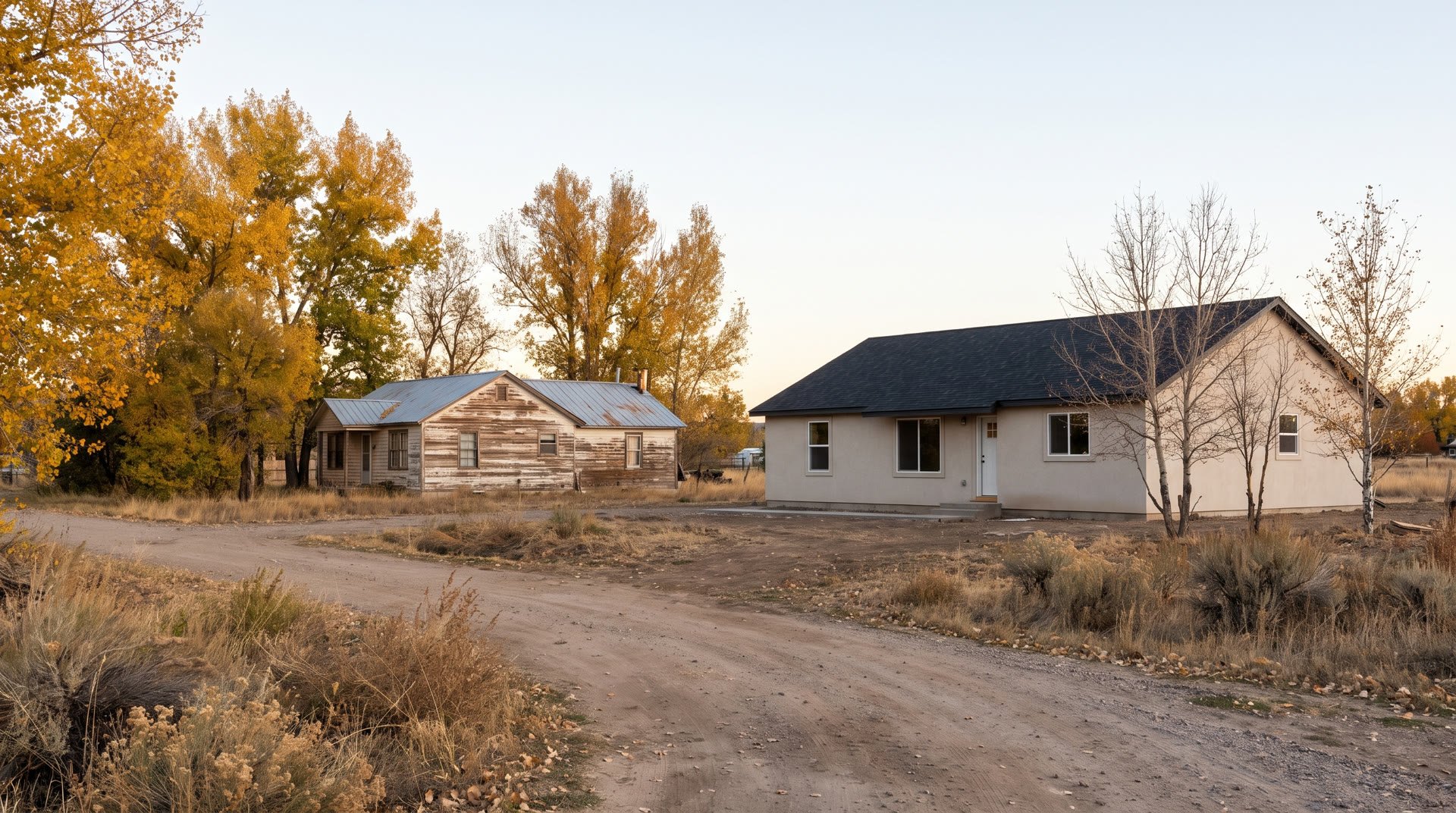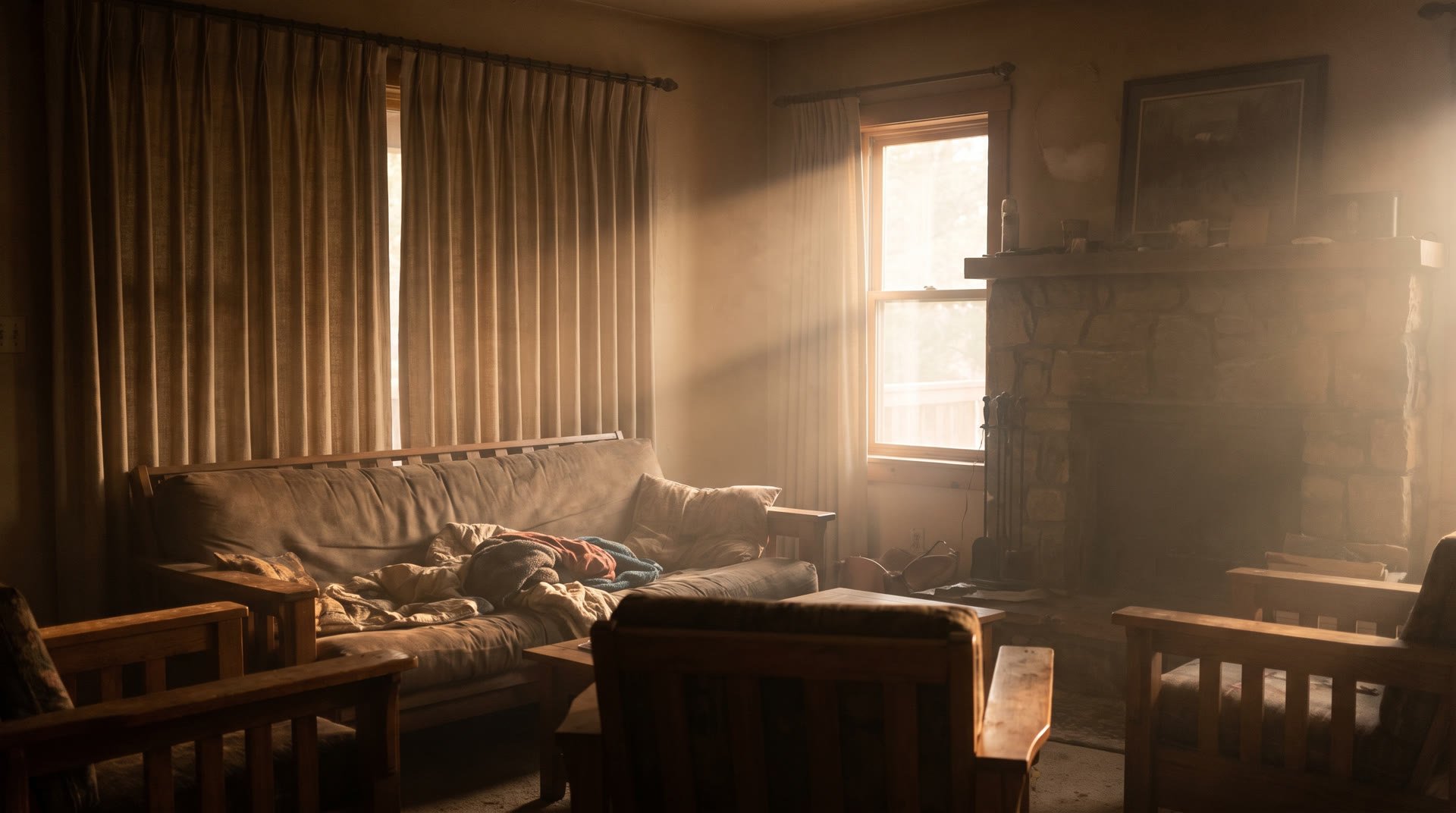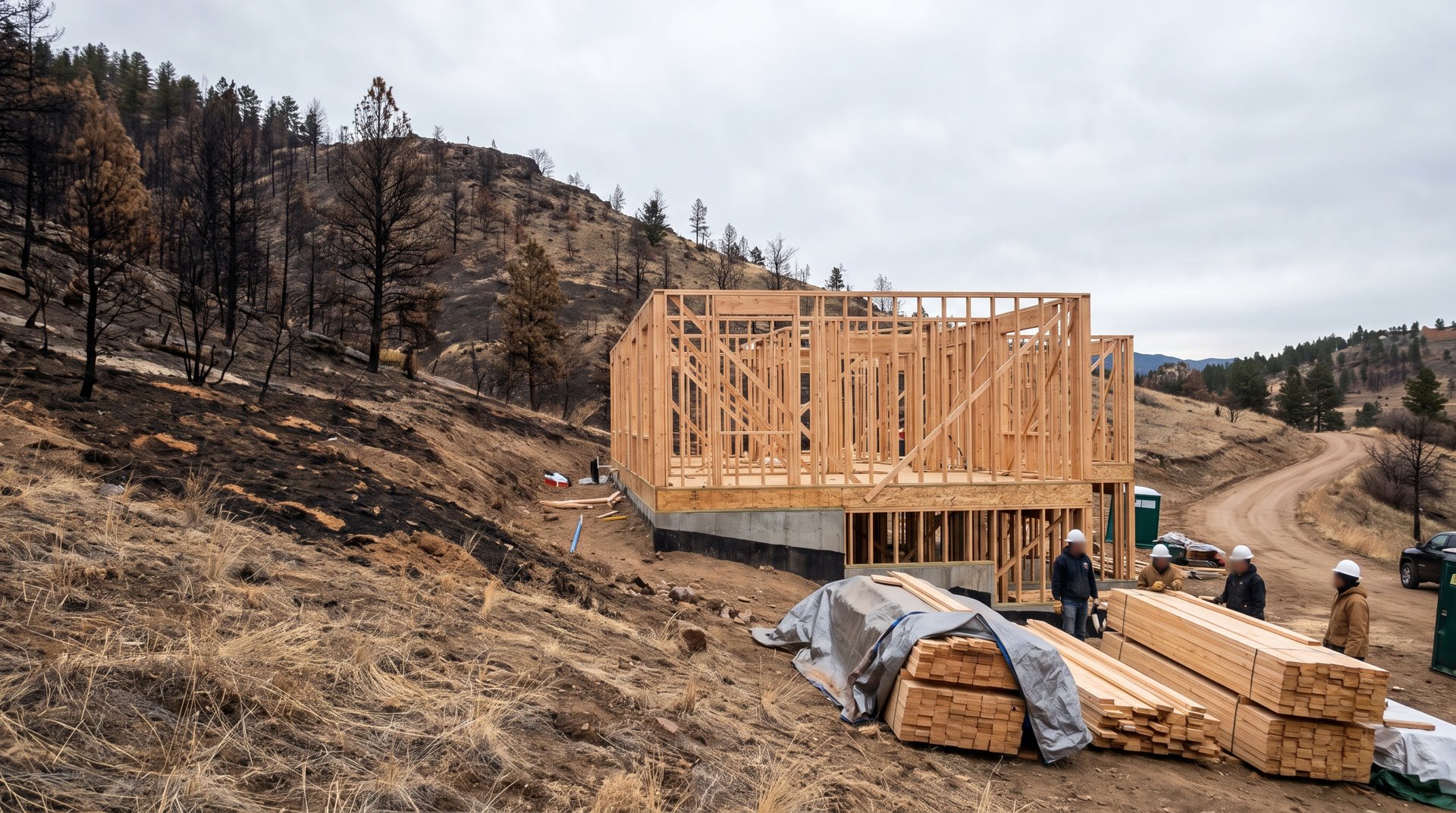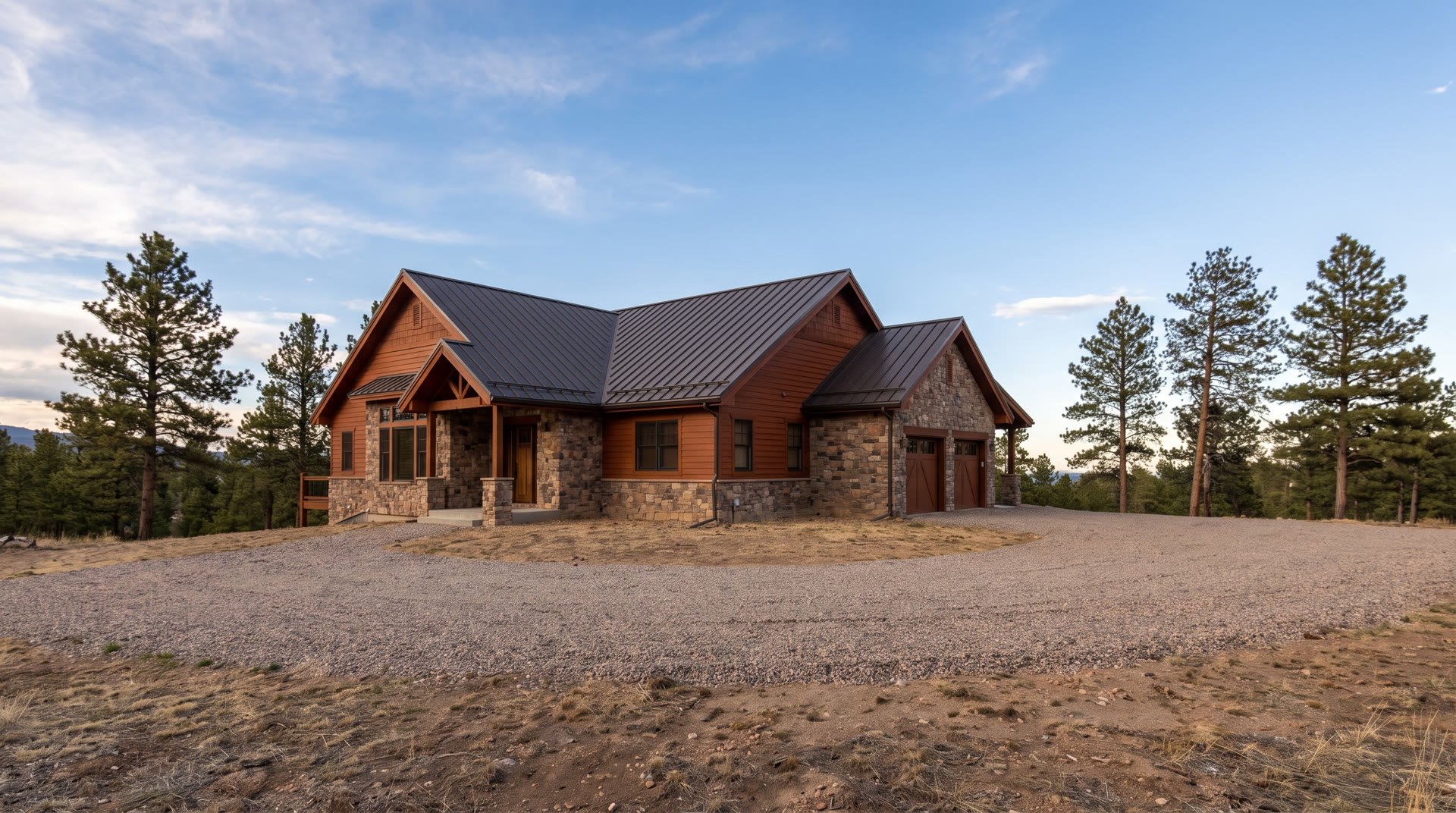
If a designated Colorado wildfire completely destroys your home, your insurance company must provide at least 24 months of additional living expense coverage. ALE means the extra living costs you have while you cannot stay in your house. This is a minimum requirement, not a favor from the insurance company. Rebuilding takes time, and many homes are not finished within a year.
What ALE covers
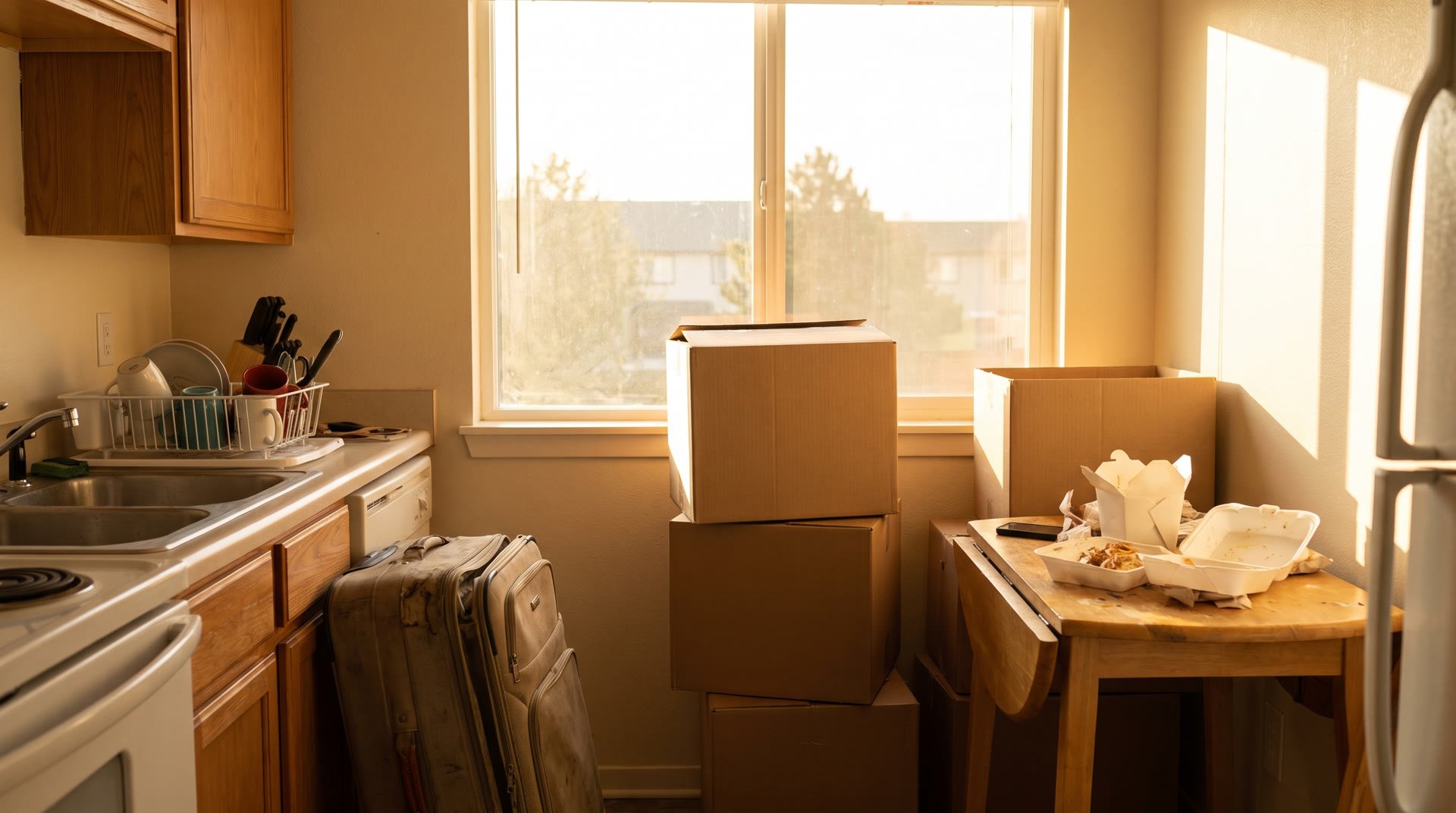
ALE helps pay the additional costs you face because your home is uninhabitable. It is not a second mortgage or a payment for all of your regular household expenses. You still have your normal bills, including the mortgage on the damaged home. ALE can cover added expenses such as rent or hotel costs, extra meal expenses because you cannot cook at home, laundry, storage, and pet boarding.
The Colorado Division of Insurance describes ALE expenses as costs such as hotels, meals, and laundry while you are evacuated. Keep your receipts. If you cannot document the extra expense, the insurance company may treat it as though it never happened.
For example, suppose you normally spend $200 a week cooking at home, but you are now spending $350 while staying in a hotel. The ALE portion is generally the extra $150, not the entire $350, unless you can document a reason for more. The same idea applies to housing: you may still have a mortgage on the damaged home while also paying rent for a comparable temporary home. ALE is meant to help with that added rent.
ALE does not pay to rebuild your home or replace your furniture and other belongings. Keep those parts of the claim separate when you talk with the insurance adjuster so payments do not become confused or applied to the wrong coverage.
The 24-month period and possible extensions
The 24-month ALE rule applies only when your home is a total loss caused by a designated wildfire disaster. A kitchen fire in January does not qualify under this rule. Currently, Snyder, Gold Mountain, Aspen Acres, Willow, and Sheep Head are on the Colorado Division of Insurance list. Designations can change, so ask the insurance company to confirm your home’s status in writing. Do not rely only on what someone tells you when you call the 800 number.
You can ask for two six-month extensions. These may bring the total period to as much as 36 months when permitting or rebuilding is delayed, including delays caused by the insurance company. Ask for an extension in writing before the first 24 months expire. Do not wait for a letter that may arrive too late.
Your policy may say ALE lasts for 12 months or for the “shortest time to repair.” After a total loss caused by a designated wildfire, Colorado’s minimum time requirement is where the discussion begins.
The time limit and dollar limit are different
Twenty-four months tells you how long coverage may remain available, but your ALE coverage may also have a dollar limit. You could still be within the 24-month period and run out of available money if Front Range rent uses up the ALE limit.
Ask for your ALE dollar limit in writing as soon as possible. Find out how any advance payments will be counted. Also request your policy’s declarations page, often called the “dec page,” which lists key coverage limits. It should not take more than three business days. People who evacuate may lose access to items such as laptops, and the statute takes that into account.
Track how much the insurance company pays each month and how much remains. If the company is slow to process receipts, you may have to cover hotel or rental costs out of pocket while you wait. That delay is part of the claim process, not necessarily a budgeting mistake on your part.
Problems that can come up while you wait to rebuild
You may spend three weeks in an inexpensive motel and then be told to find something more permanent, only to discover that every nearby rental costs more than a studio 40 miles from your children’s school. The word “comparable” matters. Temporary housing should provide a reasonable living situation, not force you into a place that feels like punishment.
A tarp does not automatically make a damaged home habitable. Habitable means you can actually live there comfortably and safely. That generally means no unsafe smoke damage, a working kitchen, electricity, and no red tags preventing occupancy. Take photographs and keep copies of official notices.
Document cash payments, Venmo rent, and money paid while staying in a cousin’s basement without a lease. Without records, the claim file may treat those expenses as though they did not happen. Photograph receipts as soon as you receive them.
Do not wait until month 24 to ask about an extension. If the engineer has not signed off or another rebuilding delay continues, send the extension request in writing and include your claim number. Keep track of the deadline yourself.
Be cautious with a “partial settlement” that combines ALE money with payments for the dwelling. If your home is still unlivable, mixing those payments may leave you without the rent money you expected during the required coverage period.
What to do this week
- Open the ALE portion of your claim during the week you evacuate, and ask for an advance.
- Ask the insurance company to confirm in writing that the home is a total loss from a designated disaster and that you are entitled to 24 months of ALE coverage, with possible extensions.
- Track extra living costs separately from your normal household bills.
- If the delay involves the insurance company’s engineer or estimates, ask for that to be noted in your claim file.
General information, not legal advice.
If you want help with a claim, Public Insurance Adjusters of Colorado is at 455 Sherman St, #450, Denver, CO 80203, 866-919-1962, https://publicinsuranceadjustersofcolorado.com/contact/