Colorado FAIR Plan vs a Real Rebuild Policy
The FAIR Plan is last-resort fire coverage for people the admitted market dropped. It is not a substitute for full replacement-cost homeowners insurance.

The FAIR Plan is last-resort fire coverage for people the admitted market dropped. It is not a substitute for full replacement-cost homeowners insurance.
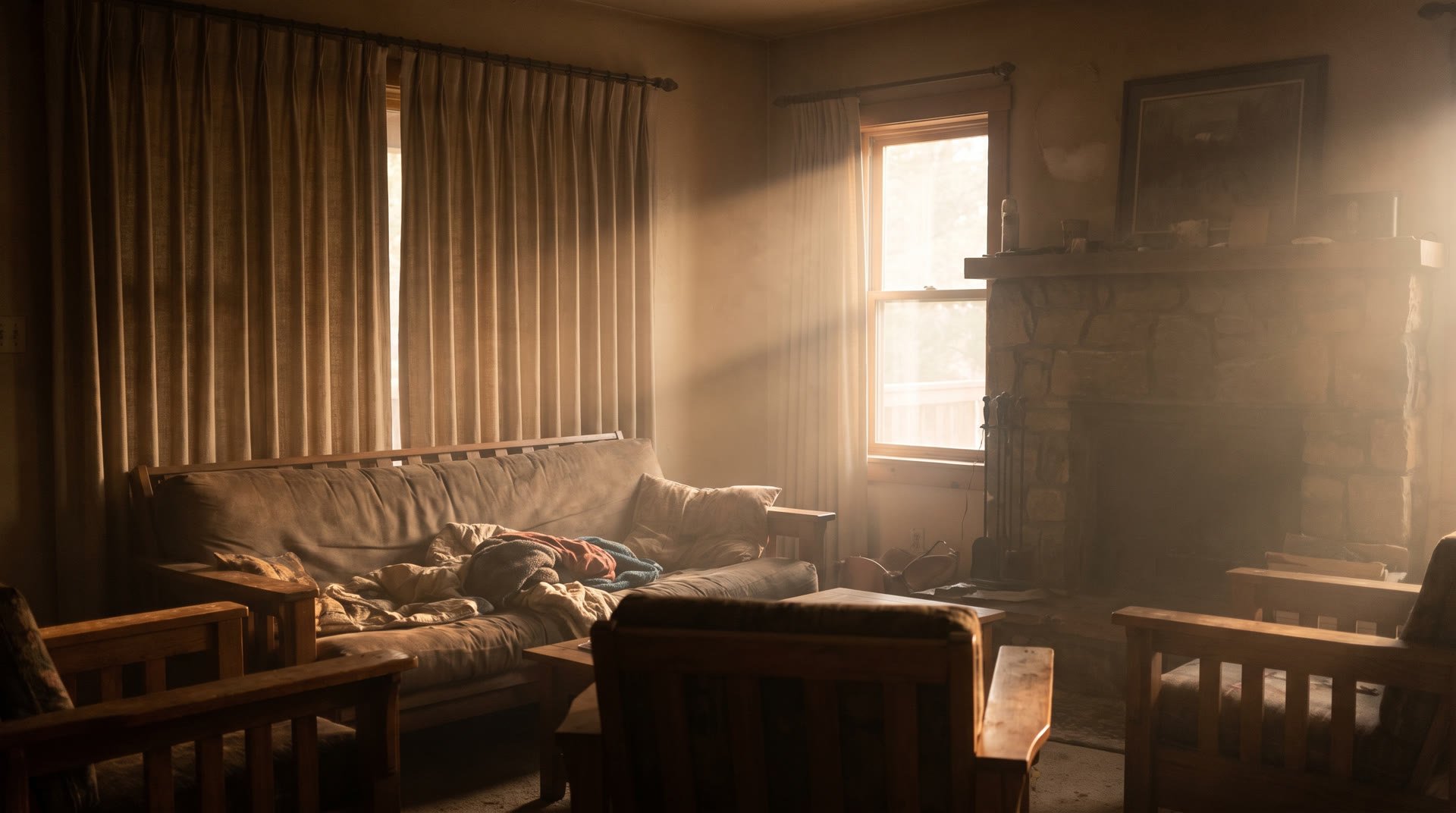
DOI reminds Coloradans that smoke, water used in suppression, heat, and electrical damage are claim issues — not only homes that burned to the foundation.
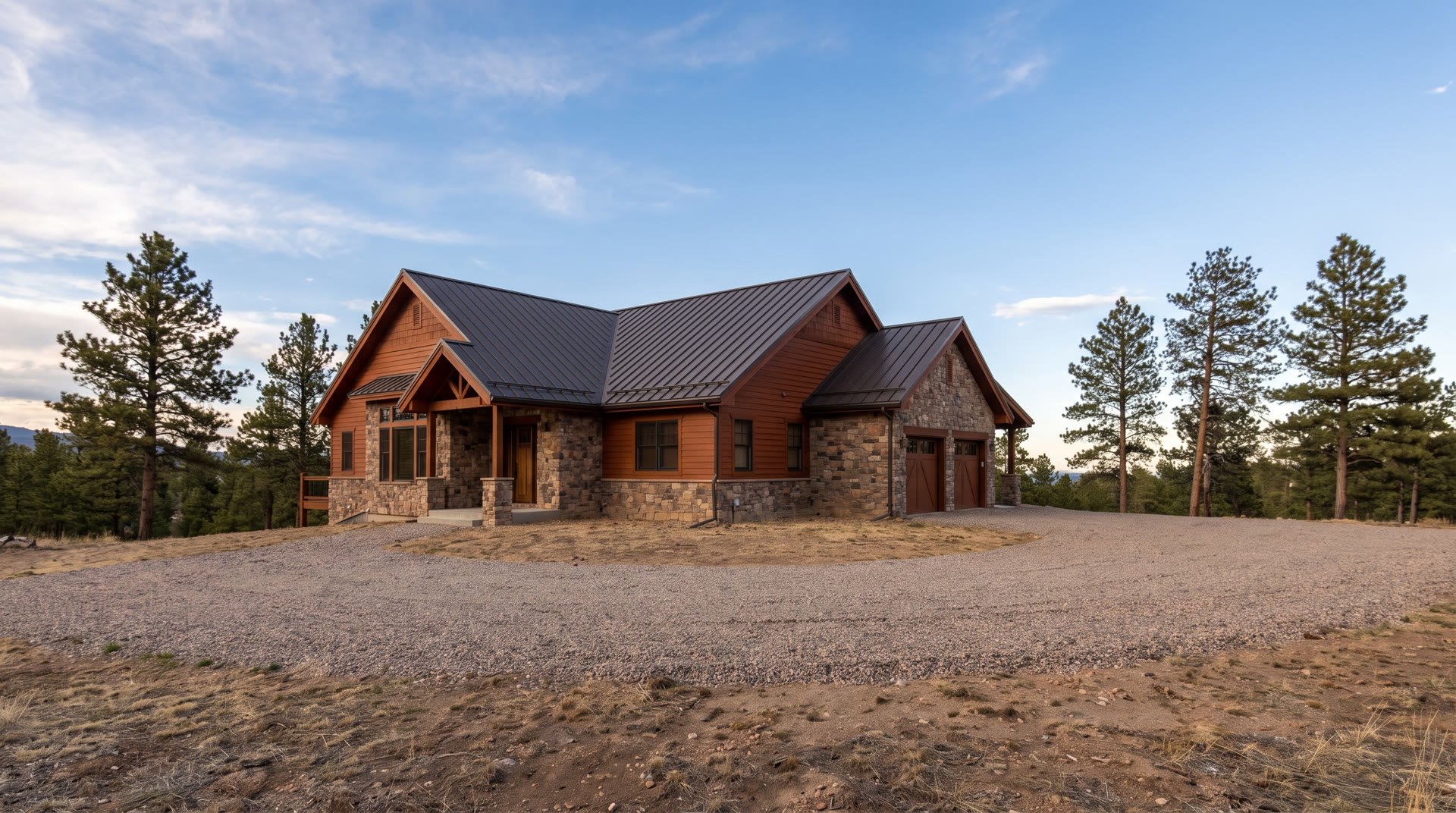
Carriers must offer at least 50% extended replacement cost and 20% ordinance/law on certain replacement-cost policies. Offered is not the same as purchased.
Colorado’s wildfire-model transparency law is live. Insurers must show the score, explain mitigation, and run a real appeal — it does not cap your premium.
In a designated wildfire disaster, insurers must provide at least 24 months of additional living expense, with two optional six-month extensions.
If you lost an owner-occupied home in a Governor-declared wildfire disaster, the carrier must offer at least 65% of contents limits with no inventory.
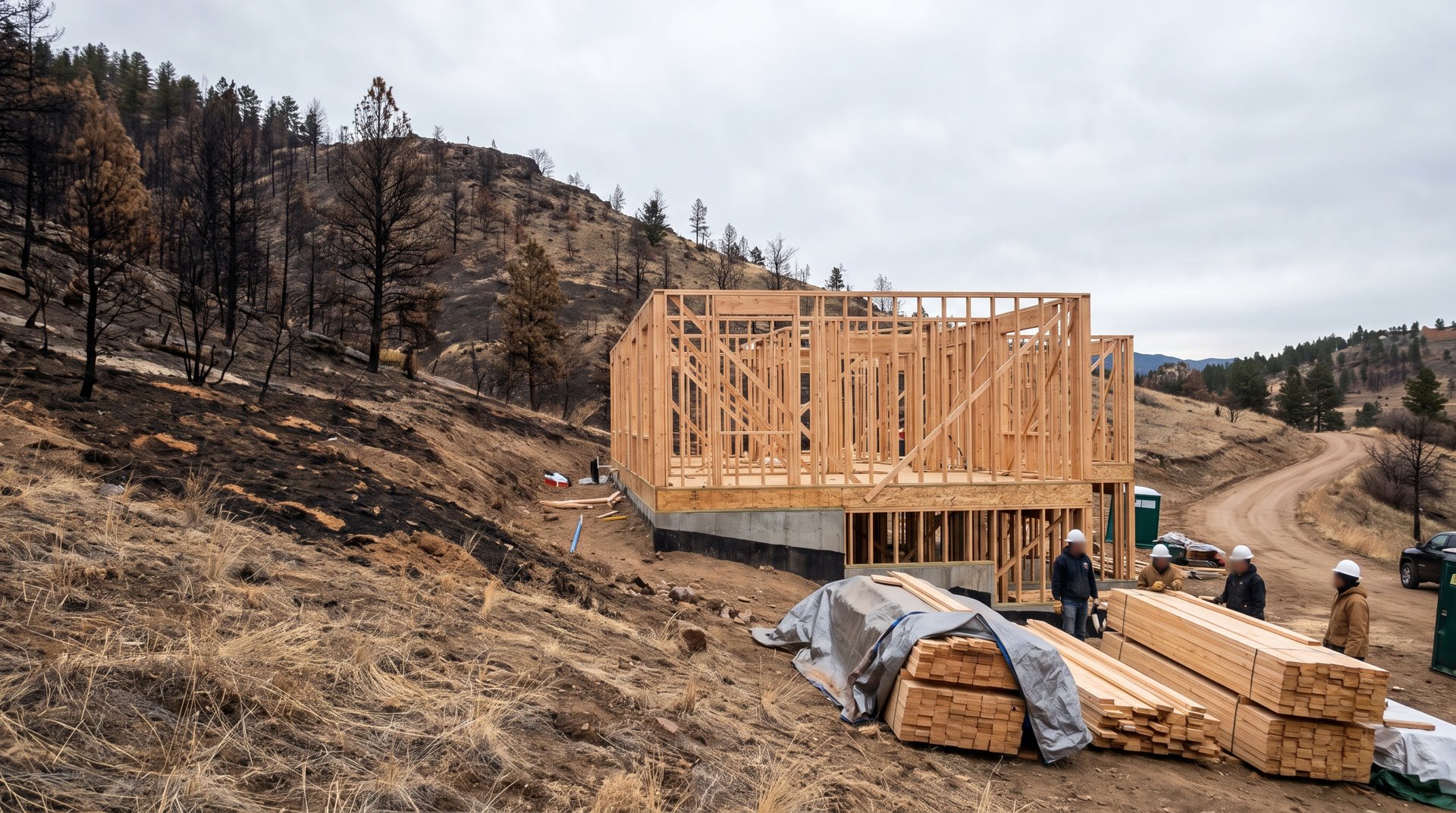
After the 2026 Aspen Acres Fire, FEMA’s declaration covers governments — not the 324 households who lost homes. Your recovery still runs through private insurance.
Colorado bad-faith law is not a rubber stamp. Independent documentation still decides whether a hail or fire scope gets paid — especially after a later engineer report.
Emergency Regulation 26-E-04 (effective Aug 19, 2026) treats certain cancellations and nonrenewals in the Aspen Acres area as unfairly discriminatory.
FEMA’s 2026 Colorado declaration also covers flooding and mudslides. Standard homeowners insurance still excludes flood. NFIP or a flood endorsement is a different contract.