Your insurance company may offer you 65% of your contents coverage without asking for an inventory. That check can be a real relief after a wildfire, but pause before you sign anything. Make sure you understand what the payment covers and whether accepting it would close part or all of your contents claim.
If you own and live in the house, and a Governor-declared wildfire caused a total loss, Colorado law requires your insurance carrier to offer at least 65% of your contents coverage without an inventory. This is explained in the Division of Insurance wildfire advisory. As of that notice, it applied to fires including Snyder, Gold Mountain, Aspen Acres, Willow, and Sheep Head.
The 65% is the minimum the carrier must offer without paperwork. It is not necessarily the full value of everything you had in your home. If you take the check, sign a release, and do not complete an inventory, you may be giving up the other 35% and any additional amount the carrier might have paid if you had documented your belongings.
Who qualifies for the 65% offer
This rule applies to an owner-occupied home. You must own the house and live in it, and the house must be a total loss caused by a declared wildfire disaster.
Vacant rental properties may have different insurance contracts. Renters must make claims under their renters insurance forms, so do not assume this no-inventory option applies to you.
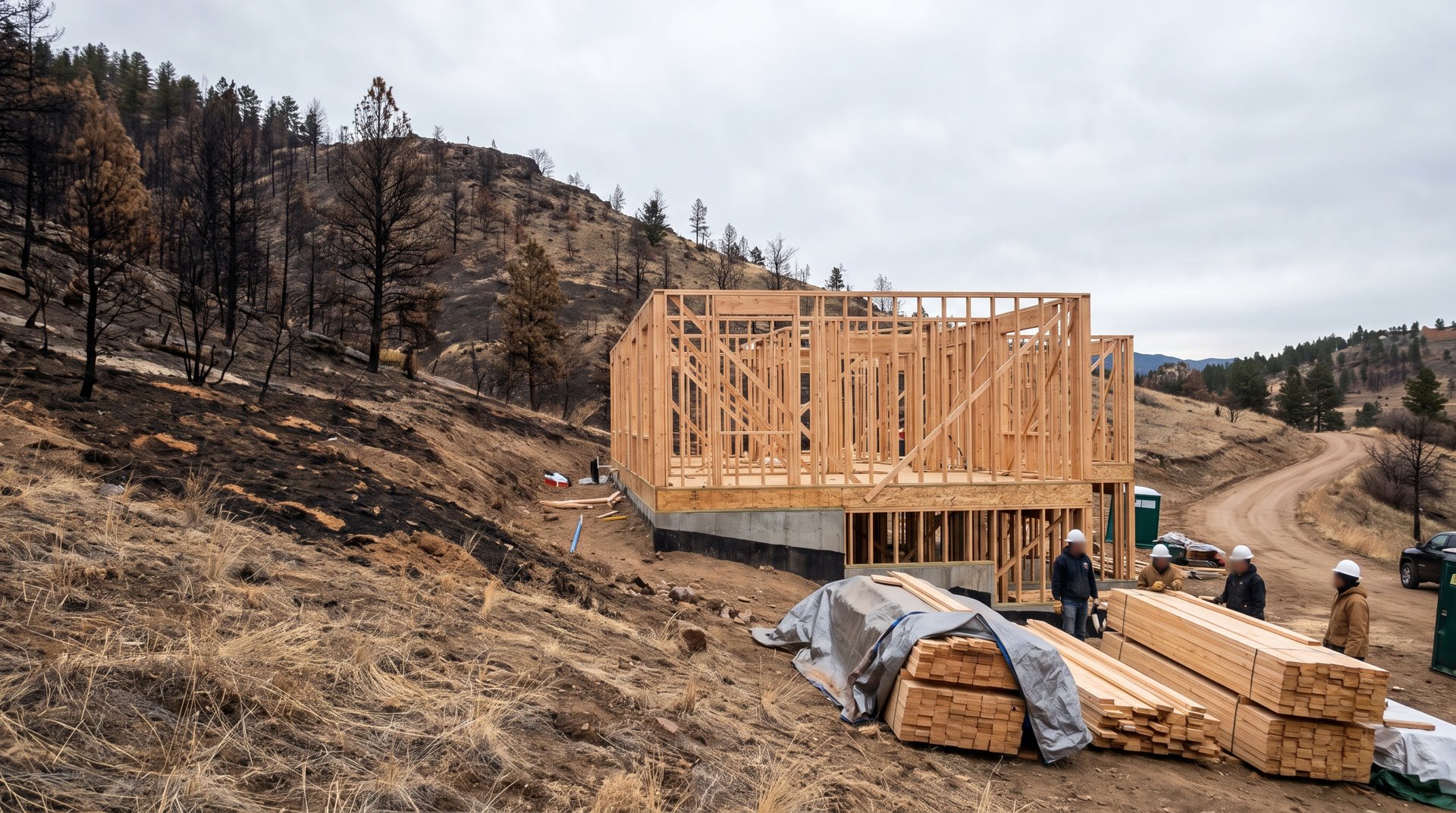
The Aspen Acres fire destroyed 324 homes. Many affected families may receive a contents advance that feels like immediate relief. An adjuster may say you can deal with the rest later, but waiting can make the claim harder. After months in a hotel, with belongings moved to storage or debris removed, it may be difficult to prove you owned a second set of skis, tools from the garage, or other everyday items.
Claiming the other 35%
If you want to pursue the rest of your Coverage C limit, you will need to prepare an inventory of the belongings you lost. After you submit it, the carrier has 30 days to ask for more information and another 30 days to pay for items it does not dispute. The Colorado Division of Insurance explains these protections.
Be prepared for requests for more documentation. The carrier may ask for receipts from stores such as Best Buy, even when your house is now only a slab. It may also apply depreciation as though you should have kept every receipt in a fireproof box.
Public Insurance Adjusters of Colorado helps create inventories using phone photos, bank records, and room-by-room estimates. You should not have to reconstruct everything you owned while staying at a Hampton Inn.
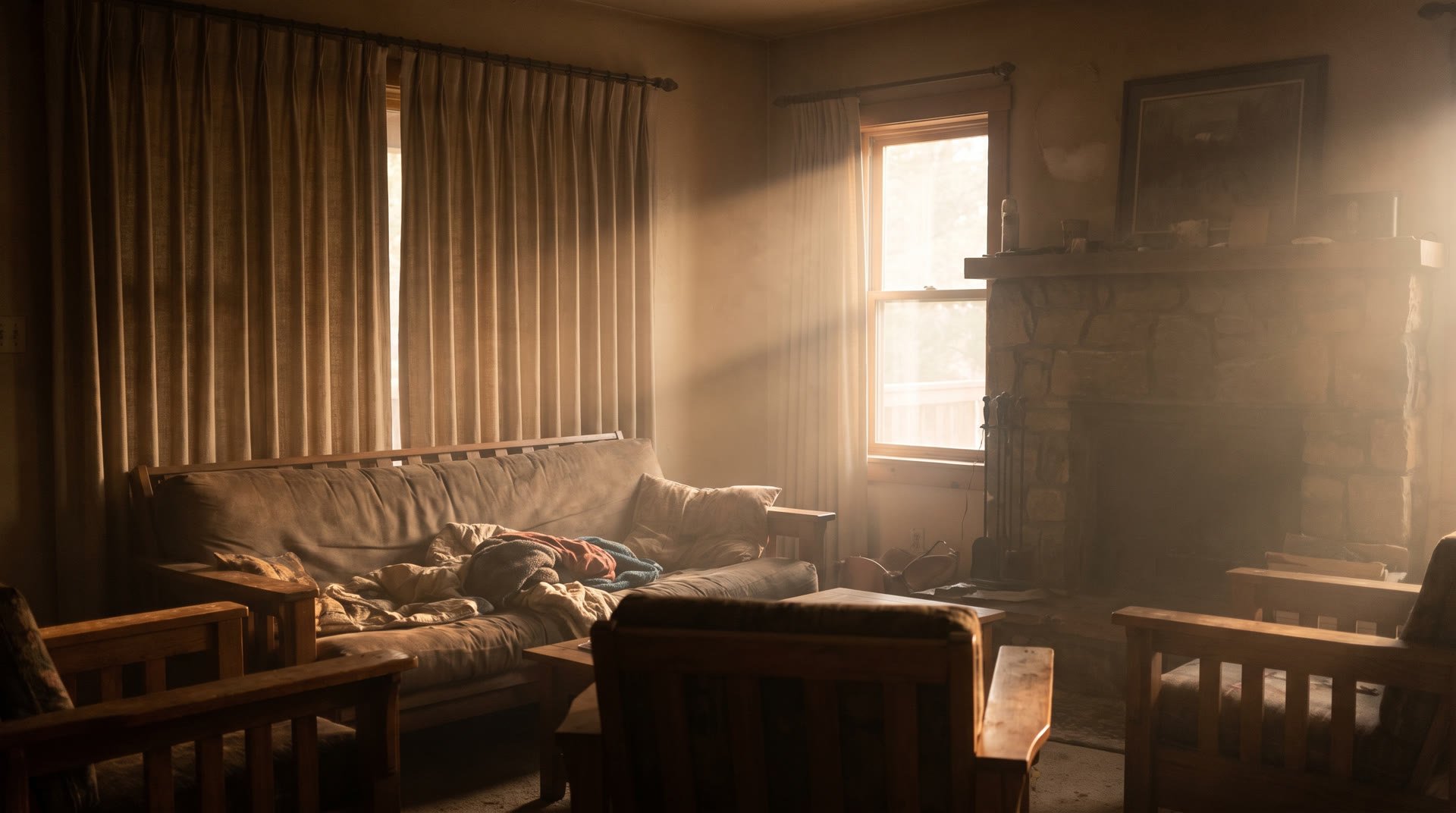
Even when a home is a total loss, belongings may still be visible in the debris. Take photos before anything is placed in a dumpster or hauled away. If the house is still standing but has smoke damage, do not let anyone remove mattresses or other belongings until they have been photographed and listed. Soft goods are often removed during “cleanup,” which can reduce the contents claim if they were never documented.
Treat the 65% as a claim payment
Ask the carrier to confirm in writing that the payment is an undisputed advance against Coverage C. The paperwork should not be a release or describe the payment as the full and final settlement. Some documents called an “advance” can still sound as though you are agreeing to close the claim, so read them carefully before signing.
ALE means extra living costs while you cannot stay in the house. ALE is separate from your contents coverage. Your contents payment is not meant to pay for a hotel or other temporary housing. Mixing these payments together could leave you short of housing money while your contents funds remain unused.
Review your declarations page, which is the policy summary showing your coverages and limits. Check your Coverage C limit, any special limits for jewelry, guns, or cash, and whether the policy pays replacement cost or actual cash value. Business property stored in a garage is often overlooked. If you had a floater policy for specific valuables, review that coverage too.
You are entitled to a copy of your policy within three business days. Ask the carrier for it.
Steps you can take now
- Confirm that the home was owner-occupied, is a total loss, and was affected by a declared disaster.
- Request the 65% payment without an inventory, and make the request in writing.
- Get written confirmation that the payment is not a release or full and final settlement.
- Start an inventory if you want to claim the remaining amount available under your coverage.
- Photograph debris piles and damaged belongings before anything is removed.
- Use bank and credit card records to help document high-value rooms and belongings.
- Mark your calendar for the 30-day deadline after you submit your inventory.
- Keep ALE receipts separate from receipts and records for your contents claim.
General information, not legal advice. We represent policyholders, not the carrier.
If you want help with a claim, Public Insurance Adjusters of Colorado is at 455 Sherman St, #450, Denver, CO 80203, 866-919-1962, https://publicinsuranceadjustersofcolorado.com/contact/