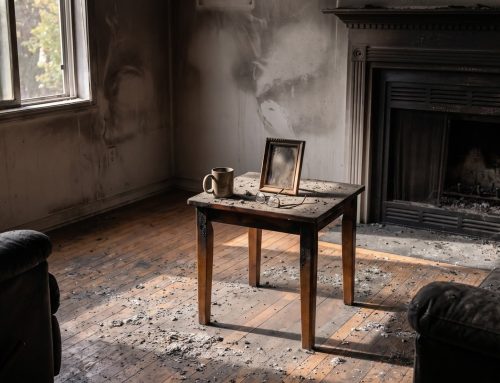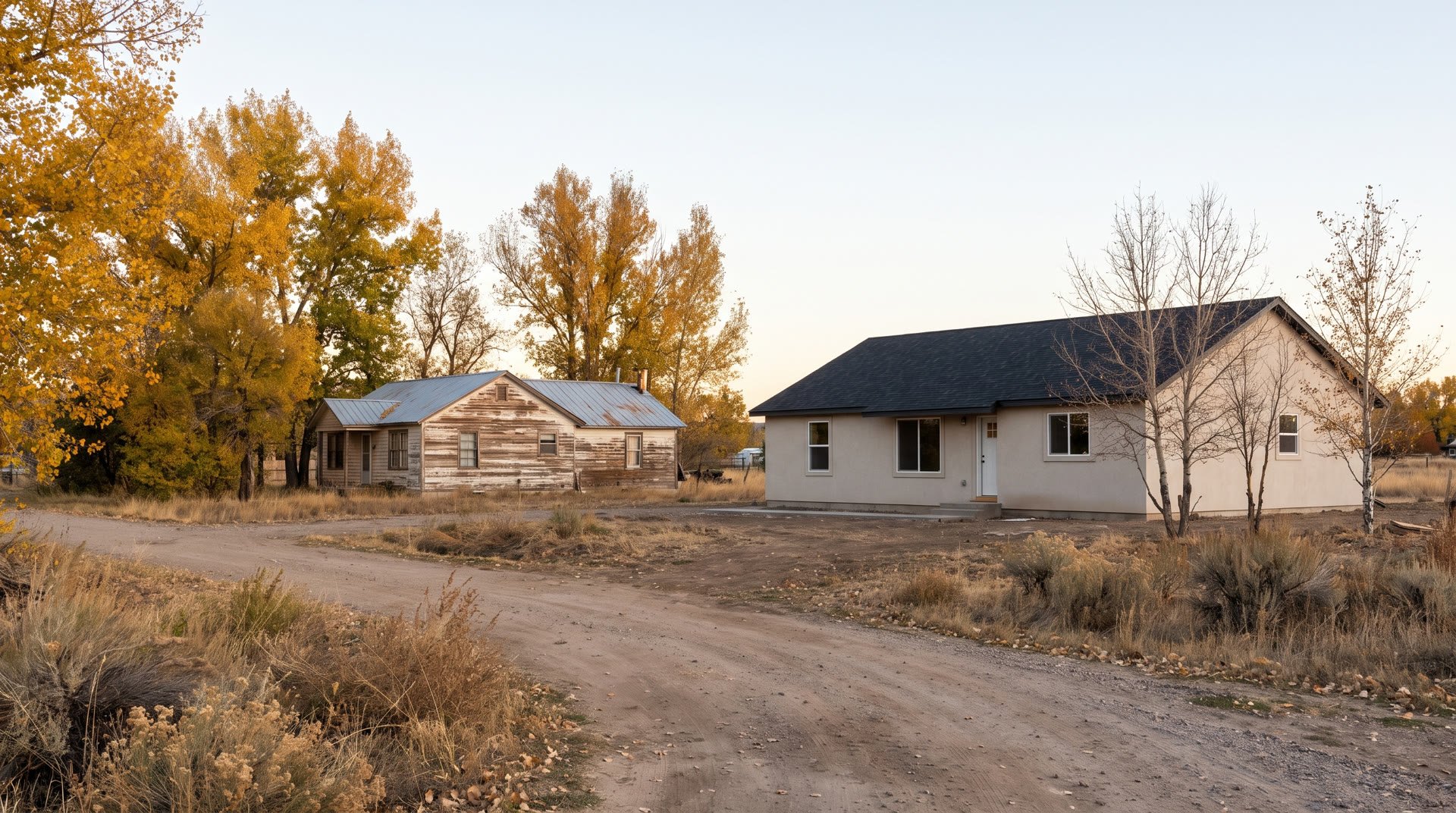
Your home may still be standing after a fire, but that does not mean it escaped damage. Colorado’s Division of Insurance (DOI) has made clear that smoke can cause a covered loss even when flames never reached the house.
The DOI’s wildfire advisory addresses smoke damage, water used to suppress the fire, and electrical and heat damage inside a home. You may have these losses even if your house did not burn down. Wiping down surfaces, opening the windows, or getting a “fresh air” letter may not address contamination in hidden areas.
Areas that should be checked
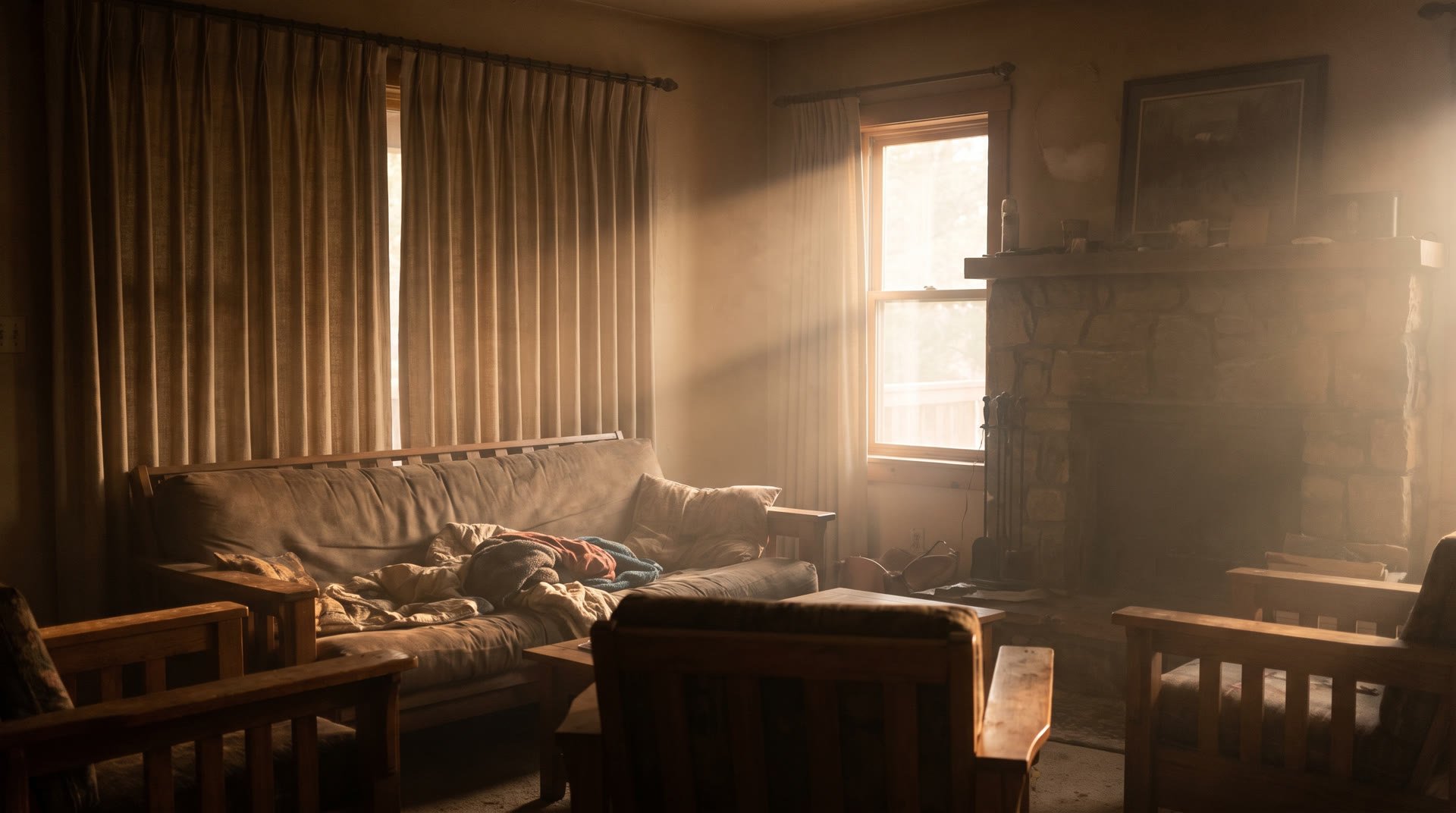
Smoke can settle in HVAC systems, insulation, soft goods such as clothing and curtains, attics, and crawl spaces. A smoky odor that keeps returning, especially in the middle of the night, may be coming from particles in places you cannot easily see.
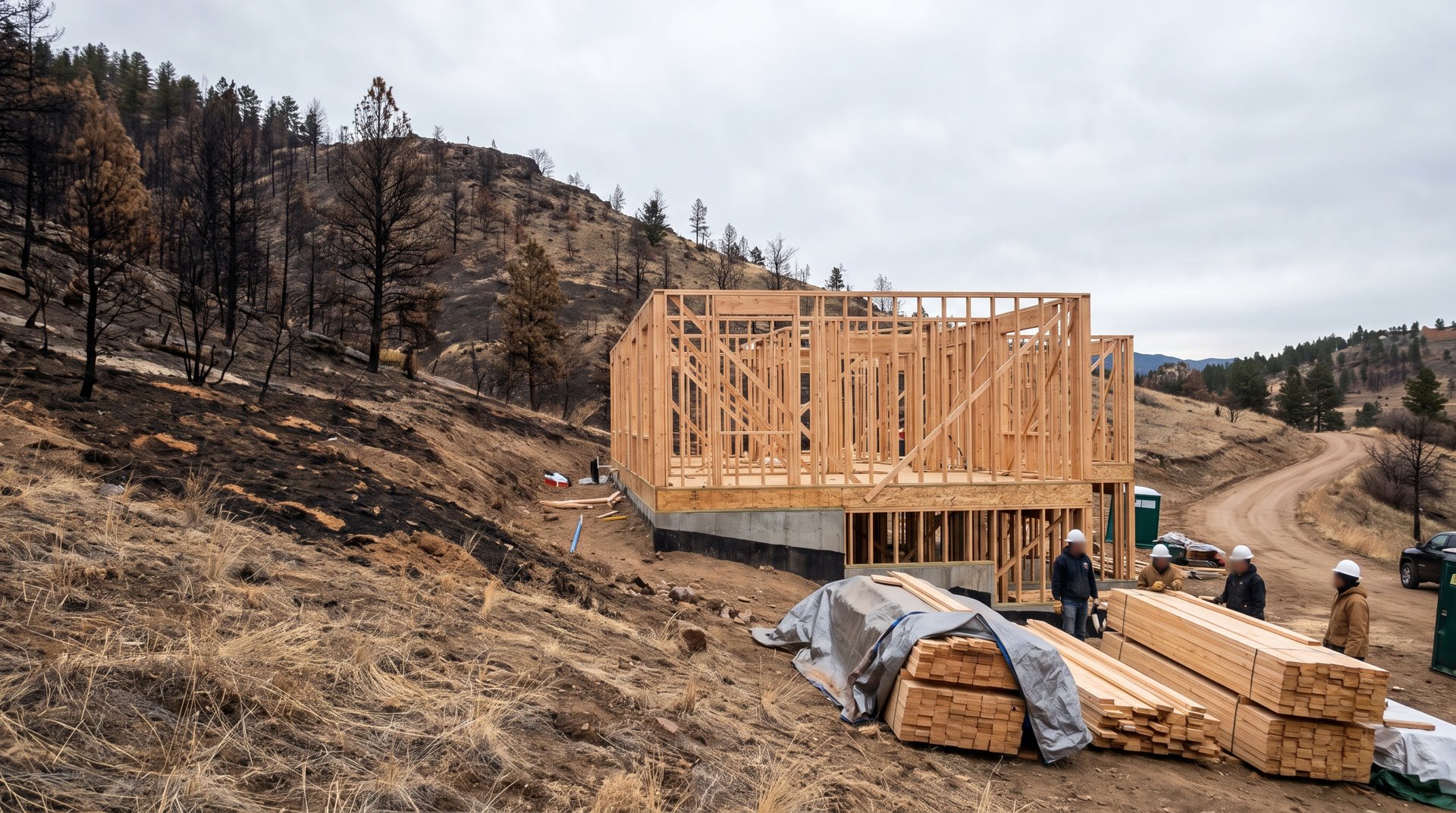
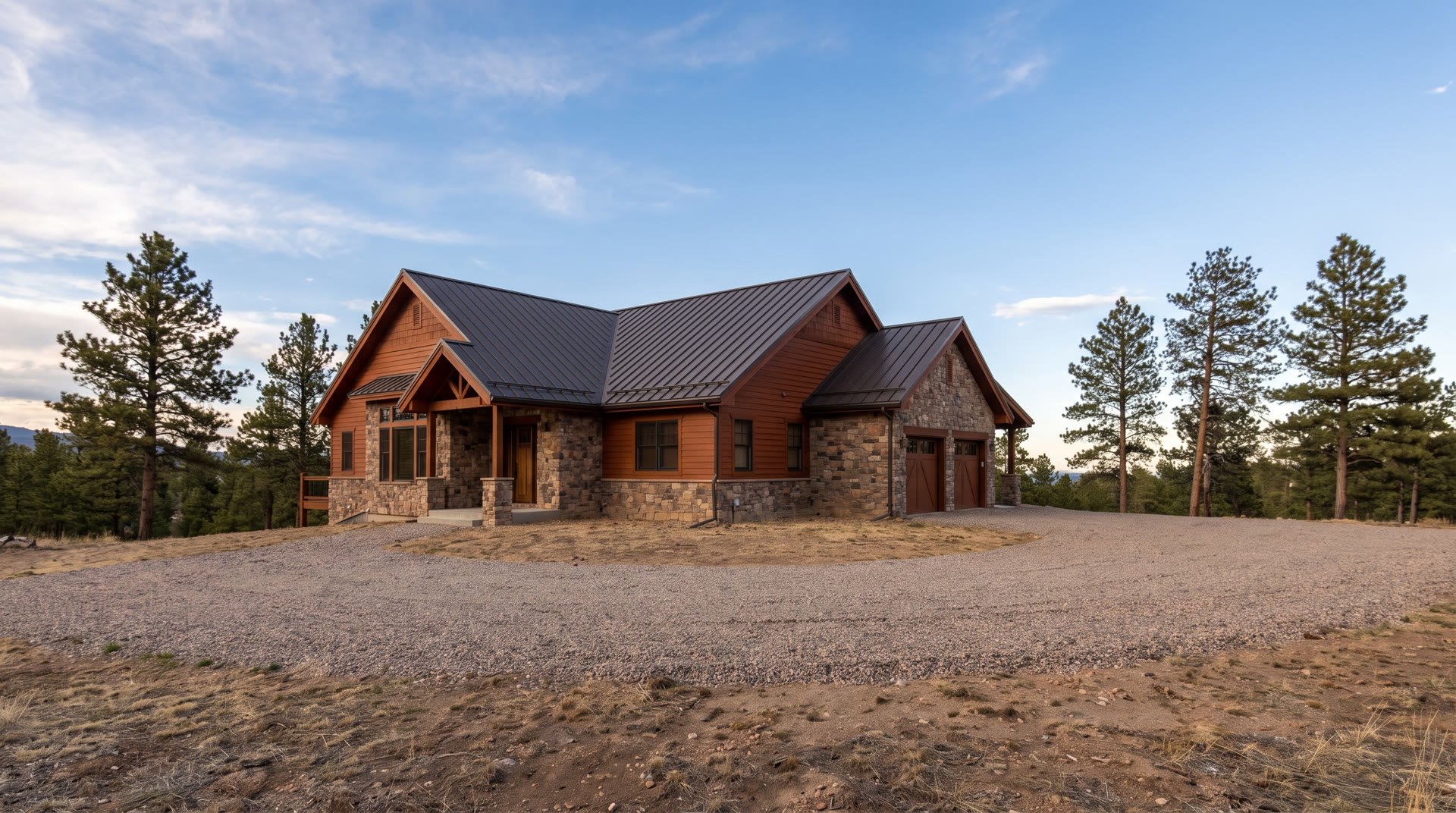
Fires such as Aspen Acres, Gold Mountain, Snyder, Willow, and Sheep Head have left many homes standing but affected by smoke. If you smelled smoke inside your home, it is worth having the property properly evaluated.
You can review the DOI’s “other losses” list if someone tells you to open the windows and forget about the damage.
Document everything before cleanup
Restoration companies may want a clear area so they can begin working, but throwing things away too soon can hurt your contents claim. Photograph everything where it is before anything is moved or cleaned. Keep a sample of dusty HVAC filters, and do not wash curtains or other items that still smell like smoke until you have photographed them and added them to your inventory.
An independent hygienist is a specialist who evaluates indoor contamination and whether a home is safe to occupy. The choice between your own independent hygienist and a contractor hired by the insurance company can matter. An insurance company’s contractor may recommend a limited cleaning plan, while your own expert can evaluate whether the home is truly livable. That is why we prefer to have an independent evaluation in the claim file.
You may also be entitled to ALE, meaning extra living costs while you cannot stay in the house. This coverage may apply when contamination makes the home unlivable, not only when part of the structure is missing. Keep hotel, meal, and other related receipts, and support your request with written documentation rather than relying only on a phone call.
What a denial may sound like
You may hear phrases such as “cosmetic,” “no char,” “below threshold,” or “we’ve already paid for an ozone machine.” Ozone treatment alone is not a complete solution for every smoke claim. If the insurance company paid $400 for fogging and closed the file, that may be only the beginning of the discussion.
Request a complete copy of your policy within three business days, then review the sections addressing smoke and sudden-and-accidental damage. Photograph HVAC returns and other areas where residue may have collected. If you are asked to sign a release connected to a cleaning invoice, pause before signing and get help reviewing it.
- Take photographs inside the home, including the attic, HVAC system, and children’s rooms, before anyone starts cleaning.
- Do not immediately throw away curtains, clothing, bedding, or other soft goods.
- Request in writing an evaluation by a hygienist who was not hired by the insurance company.
- Open an ALE claim if contamination means you cannot stay in your home.
General information, not legal advice. We represent you, not the insurance carrier.
If you want help with a claim, Public Insurance Adjusters of Colorado is at 455 Sherman St, #450, Denver, CO 80203, 866-919-1962, https://publicinsuranceadjustersofcolorado.com/contact/